
As part of a series of short summer exhibitions, DRAW Space is thrilled to present DESTINATION DRAWING / From the archives of the International Drawing Research Institute
A drawing collection under the custodianship of Professor Michael Esson
Opening night, 6-8pm Thursday 8 January
The postcard is a personal, informal, and intimate form of communication, offering an appropriate parallel to drawing; so often a private act given public exposure. For each artist, the standard postcard provides a common and equitable space upon which to leave their mark.
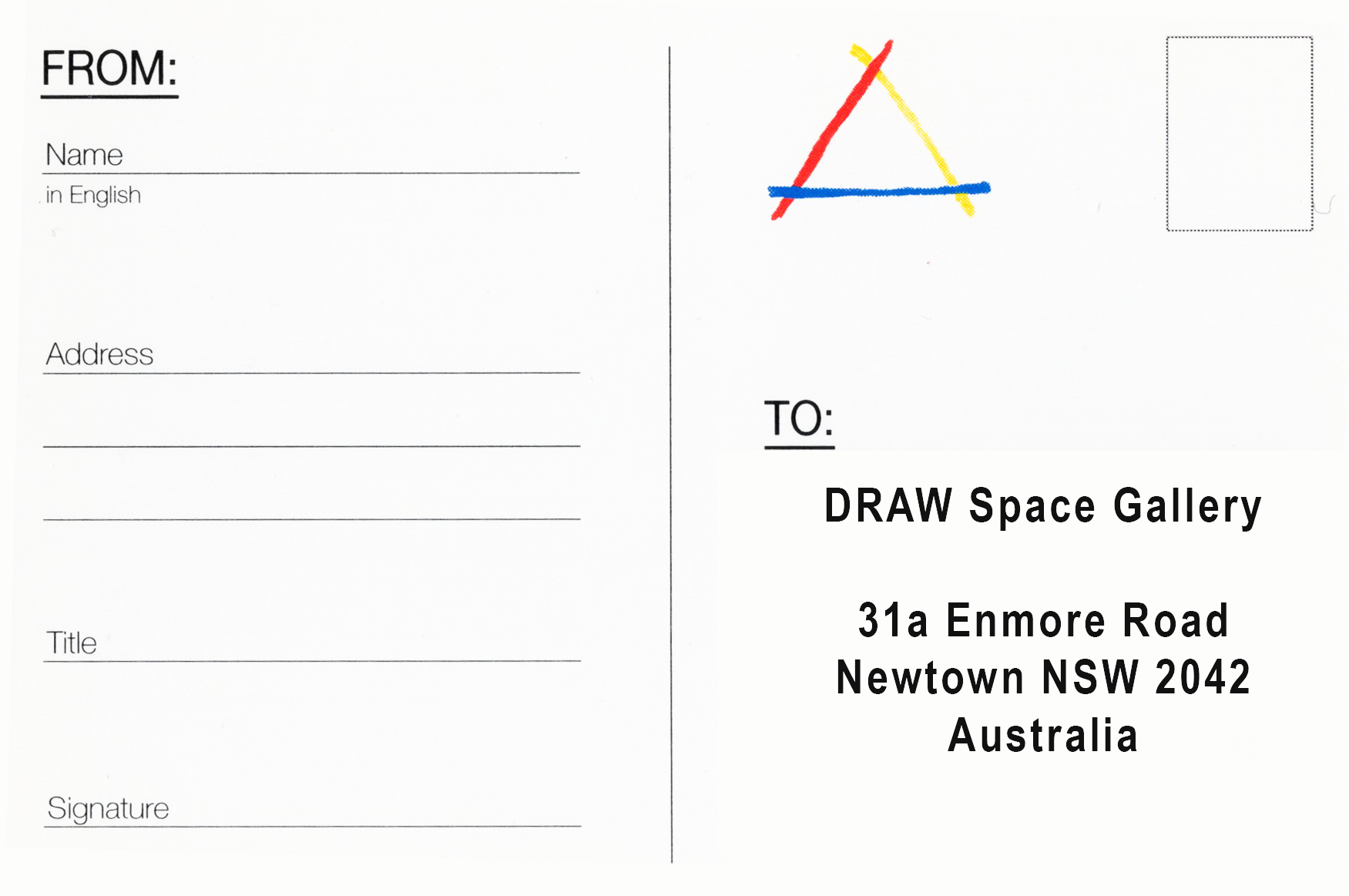
The former International Drawing Research Institute at the College of Fine Arts (COFA) brought together almost 250 drawings from artists, designers, illustrators, architects, and cartoonists across the United Kingdom, Canada, the United States, China, Japan, and Australia. Destination Drawing was shown for the first time in China in 2010, but has never been shown in Australia. Since then, the addition of many new works from artists from throughout the world has greatly enhanced the collection, which has continued to grow and has already become an interesting documentary archive of the graphic language.
Public Program
Join Professor Michael Esson in the gallery from 2pm on Sunday 11 January to enjoy a lecture entitled Work of the International Drawing Research Institute at the COFA.
Exhibition Essay
Drawing Out Capabilities: A Short History on the International Drawing Research Institute
by Emeritus Professor Ian Howard
The idea of drawing being a foundational practice for artists was swept aside during the radical period of the 1960s, 1970s, and early 1980s. Colour Field, Minimalist, Non-Object, Conceptual, Performance, and Video art were not only void of drawing, it was also felt that drawing as a medium of expression was inherently old-fashioned, even running counter to the new art forms that had different horizons to explore and did not want to be burdened by such traditional constraints.
Granted, there were exceptions; however, even Sol LeWitt’s ‘drawings’ were actually masterful minimalist conceptual designs. And Christo’s wonderful draughting ability was only revealed as notations on maquettes for his otherwise landscape-filling wrappings. Arguably, the use of drawing by this generation of artists further distanced conventions of drawing from what had become the dominant new artform practices.
Art Schools, typically employing more established artists as full-time staff, and younger innovators as part-time lecturers, were faced with the dilemma: to keep drawing as a core subject or abandon it due to the pressure of accommodating the new media and new art forms curriculum. Most Schools abandoned compulsory drawing courses, retreating to elective offerings or including aspects of drawing in more generic ‘introduction to art’ subjects. One indicator of how severe this shift away from drawing was could be found in a school’s stock of plaster cast models, ranging from life-size figures from antiquity to details of the eyes, lips, and ears of Michelangelo’s David. Most leading art schools committed to the ‘new’ and got rid of their plaster casts, thereby saving face, space, and the cost of keeping these white pseudo marbles respectfully clean and free of often-sexualised graffiti. Most were broken down with hammers. The lucky ones survived, having been pirated back to sympathetic lecturers’ homes, to be revealed only when more traditional artists were invited to dinner.
Interestingly, the Sydney art institution that we have known as Alexander Mackie School of Art / City Art Institute / College of Fine Arts (COFA), and now UNSW School of Art & Design, never had to face such a grave decision. Forming out of East Sydney Technical College in 1975, the plentiful but thought to be anachronistic plaster casts of ESTC were not seen as a priority asset to be moved to any of the various and likely temporary sites of Alexander Mackie College of Advanced Education.
In March 1998, after two years of planning, the Queensland College of Art (QCA) of Griffith University entered into an MOU with the Central Academy of Fine Arts (CAFA) in Beijing, to run a joint master’s level course in photography. Significantly, this was the first master’s-level program in visual art ever offered in all of China. It was and continues to be a resounding success. The QCA contributed the intellectual and pedagogical expertise, CAFA provided the bricks and mortar facilities, and the international photography industry offered strong sponsorship support.
Following, there was concern that a ‘Western art school’ might be seen as claiming a monopoly on expertise in art practices. Consequently, CAFA and what is now COFA began to develop another joint project in an area where the Chinese art school held experience, expertise and authority. Unsurprisingly, these discussions focused on drawing.
Although bereft of plaster casts and embracing new media more enthusiastically than any other art school in Australia, COFA nevertheless had from its inception in 1975 demonstrated a respect for the role of drawing across all artistic disciplines. So much so that specialist drawing staff were employed, and others were encouraged to develop drawing pedagogical skills to meet curriculum and student demand. As well, COFA had inherited the well-established art teacher training program that necessarily embraced expertise across all art mediums, with drawing being seen as a basic and essential skill of potential high school art teachers.
During 1999, a delegation of senior CAFA staff visited COFA, and COFA’s dean again visited Beijing to further bilateral cooperation. By the year 2000, the International Drawing Research Institute (IDRI) was formed. Based at COFA, IDRI was to be “a consortium concerned with advancing research into and through the discipline of drawing, positioning COFA UNSW as a world leader in the promotion of drawing research. The other partners were the CAFA, Beijing, and the Glasgow School of Art, Scotland.
Research was to be undertaken through a flexible structure that included any number of “other institutions, organisations and individuals that could participate in specific projects, through the agency of one of the founding members”. The Institute was led with enthusiasm and inspiration by Michael Esson from COFA, with Dia Shi He in Beijing and Drew Plunkett in Glasgow. Significant later art school participation included the Luxun Academy of Fine Arts (LAFA) in Shenyang, northern China, Donghua University in Shanghai and Lincoln University’s School of Art & Design in the Midlands of England.
Nothing if not ambitious IDRI was described as…“a triangular structure, a ‘trialogue’, that seeks alternative modes of enquiry and discourse into the dualism of Eastern and Western cultural drawing distinctions”. And further that, “The activities of the Institute are focused on interdisciplinary inquiries into and promotion of the seminal role of drawing within art, design, higher education, architecture and a diverse range of cross-disciplines that extend to all areas of human endeavour”.
It is clear that IDRI was not conceived as a mechanism to reinstate drawing into its pre-1960s academic foundational role but rather to propel drawing forward into and across the new-media, advanced technologies and contemporary social fabric realms that COFA and more broadly UNSW Sydney offered. That said, once, when in Beijing together, the COFA dean and the director of IDRI invested heavily in the purchase of Chinese reproduction plaster casts to be shipped back to the drawing studios on the Paddington campus that had never been graced by such antiquities. Working in the multi-disciplinary arts…it’s good to cover your bases!
For more than a decade, and with some elements continuing to this day, the IDRI produced drawing conferences, festivals, local and international exhibitions and experimental drawing projects. There were staff and student exchanges, drawing teaching initiatives and associated publications and video documentaries.
Seminal to IDRI’s direction and evolution were the regular conferences held on the Paddington campus and internationally. With an overall title of Drawing Connections, specific themes were investigated by an extensive array of artist/designer/new media guest speakers. Themes included the Role of Drawing in Contemporary Art and Design (2001), Personal Practice Cultural Context (2003), Drawing-a matter of life and death (2005), Marking Time (2008), Risk and Revolution (2011) and Subtle Subversions (2013). Meanwhile, IDRI director, Michael Esson, pursued specialist research into the role drawing could play in reconstructive plastic surgery. Conducting workshops with plastic surgeons in cities (and cultures) as diverse as Istanbul, Dallas, Karachi and St Petersburg, it is true to say that an untold number of severely disfigured patients (due to trauma, tumours and disease) have benefited greatly from Michael’s work.
Too numerous to mention all IDRI projects, the following are worthy of note:
2001: IDRI Exhibition: Anxiety: The Drawn Figure, Chinese drawings at Ivan Dougherty Gallery, Sydney.
CCTV crew visit Sydney to produce a documentary on the International Drawing Research Institute
2003: IDRI Exhibition: Love Letter to China, Australian drawings in Beijing
IDRI Drawing project, exhibition and conference: From the Soil We Come, at the Xi’an Academy of Fine Arts, Xi’an
2004: IDRI Exhibition: Double Sense (Origins in China), Chinese drawings at Ivan Dougherty Gallery
2005: IDRI Exhibition and conference held at the Glasgow School of Art, Scotland
2006: IDRI Exhibition: Chinese Whispers, Chinese drawings at Ivan Dougherty Gallery
2007: Post Graduate student exhibition: Academy Lights, CAFA, COFA and GAS students in Beijing
2008: IDRI exhibition: Liberation Feet, Chinese drawing at Ivan Dougherty Gallery, Sydney
2011: IDRI Exhibition and conference Risk and Revolution held at the new LAFA campus in Dalian, Northern China,
2013: IDRI Exhibition and conference Subtle Subversions held at Donghua University, Shanghai
Since the advent of COFA’s International Drawing Research Institute in 2000, numerous art and design schools in Australia and internationally have followed suit, creating their own specialised centres of drawing development and excellence. This is commendable as drawing, the human art of mark making, continues to evolve and grow across cultures, through time and technologies, and even stepping back, gathering up reinterpretations and reinvigorating the past. Arguably, drawing, in its directness and ability to communicate with clarity, remains the most capable form of visual language and expression to successfully interface with our increasingly diverse, complex and troubled world.
© Emeritus Professor Ian Howard, UNSW Sydney, 2026
The collection features postcards by Abdullah M. I. Syed, Adam Norton, Adeel Uz Zafar, Alan Oldfield, Alex Butler, Alexandra Gray, Alun Leach-Jones, Amanda Wood, Angela Gardner, Bernard Ollis, Bela Ivanyi, Beverly Allen, Brenda Humble, Brett Alexander, Bryan Maycock, Carole Elvin, Carole Griffin, Carol Struve, Catherine Chui, Charles Cooper, Chelsea Lehmann, Chen Hui, Chiaki Kurumizawa, Chris Gentle, Christopher Orchard, Dai Shihe, Dan Zhang, David Eastwood, David Floyd, David Rose, Deb Wilkinson, Deborah Beck, Debra Phillips, Del Kathryn Barton, Denis Mizzi, Denis O'Connor, Dobrila Stamenkovik, Earle Backen, Edward Schmidt, Eleanor Christofides & Andrew Christofides, Emily Kauonugh, Emma Robertson, Evan Macleod, Eva Molnar, Fan Dongwang, Frances Hansen, Frank Ozereko, Glen Taylor, Godwin Bradbeer, Graham Kuo, Garry Manson, Guy Warren, Han Wei Da, Hong Qi Da, Hu Wei Da, Ian Howard, Ian Martin, Ingrid Van Dyk, James Kemsley, James Ulrich, Jessie Cacchillo, Jiawei Shen, Jin Na, Joe Frost, John Coburn, John France, John Stanfield, Jon Cattapan, Jonathan Dady, Judy Cassab, Jun Rui Wang, Karen Wallis, Kate Briscoe, Kathy Gregan, Kei Takemura, Kevin Norton, Kurt Schranzer, L. K. Chan, Lan Wang, Lee Sang-Bong, Lee Zaunders, Lei Mu, Leonora Howlett, Li Jia Lu, Li Mu, Li Wenmin, Liang Rui, Lisa Young, Liz Ashburn, Louisa Chircop, Liu Tianshu, Liu Zi-Ping, Lynne Eastway, Ma Lu, Maureen Burns, Margaret Woodward, Mark Lynch, Martin Sims, Meher Afroz, Michael Esson, Michelle Hungerford, Min-Woo Bang, Narelle Olmo-Murillo, Natalia Balo, Naseer Ahmed Bhurgri, Nicholas Harding, Nicola Brown, Nicole Condon, Nicole Ellis, Nigel Hurlstone, Nola Jones, P. J. Gough, Patricia Wilson-Adams, Paul Gough, Peter Burges, Peter J. Simpson, Peter Pinson, Peter Sharp, Ping He, Qu Xin, Rachel Jessie-Rae O'Connor, Rahimi A. Karim, Riffat Alvi, Robert Morrell, Robert Sherwood Duffield, Robyn Gordon, Ruth Gold, Sarah Zaidi, Seana M. Mallen, Simon Blau, Song Wei, Song Yonghong, Song Yong Ping, Stephen Niccolls, Steven Williams, Sun Yumin, Susan Andrews, Suzanne Archer, Sumaira Tazeen, Susana Enriquez, Tan Ping, Tang Wei, Terence O'Donnell, Tony Twigg, Trevor Weekes, Uzma Noor, Vaughan Dai Rees, Wang Huaxiang, Wang Xiao Fai, Wendy Sharpe, Xiaoshi Li, Xing Junqin, Xu Wang, Ye Jian, Yin Sheng, Yu Ping Wang, Yu Shi, Nie Yuehua, Yuping Wang, Yusaku Fujiwara, Zhang Hong, Zhu Guang Yu, and many more.
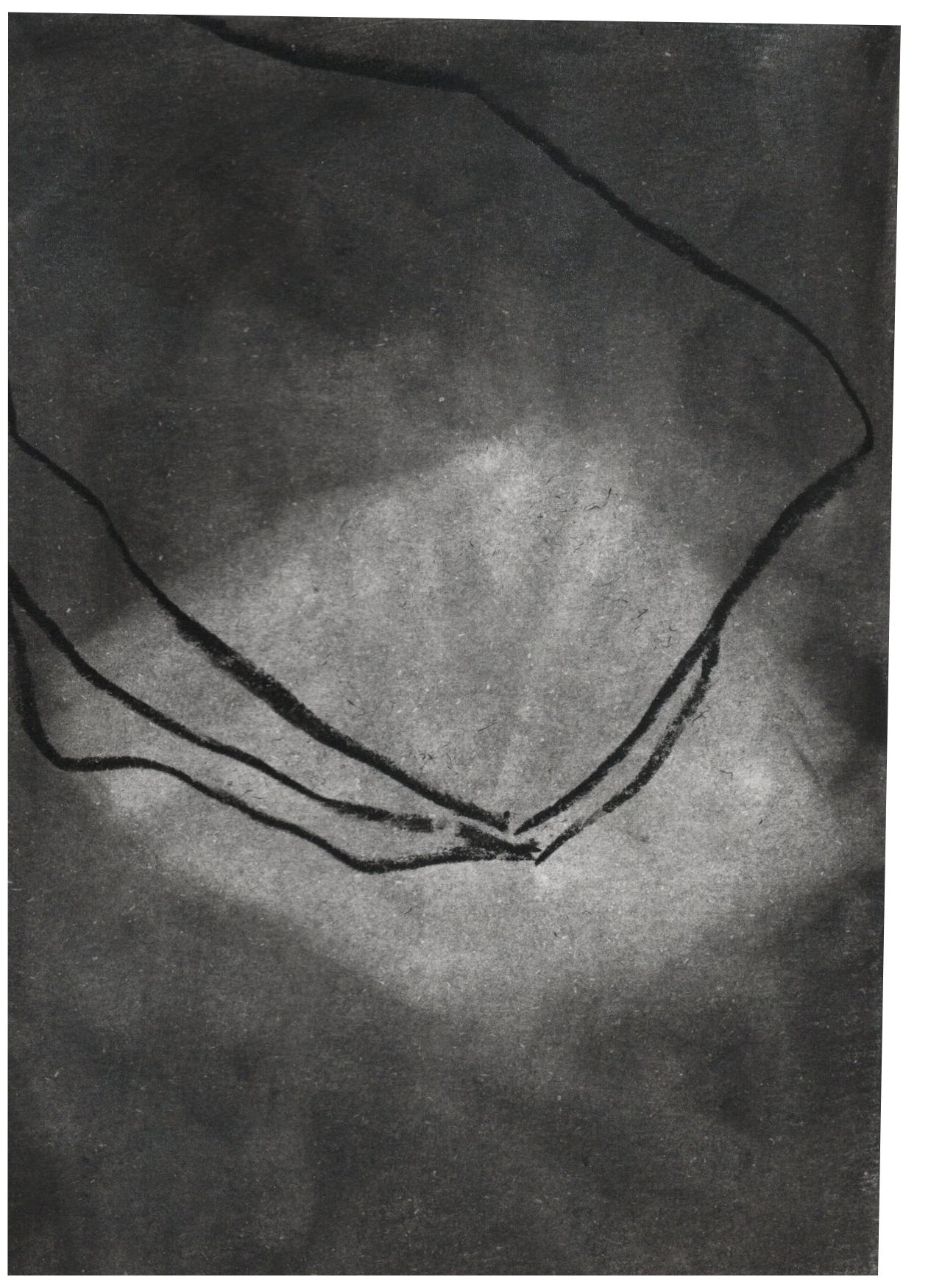
Peter Sharp, Two Stones (2003)
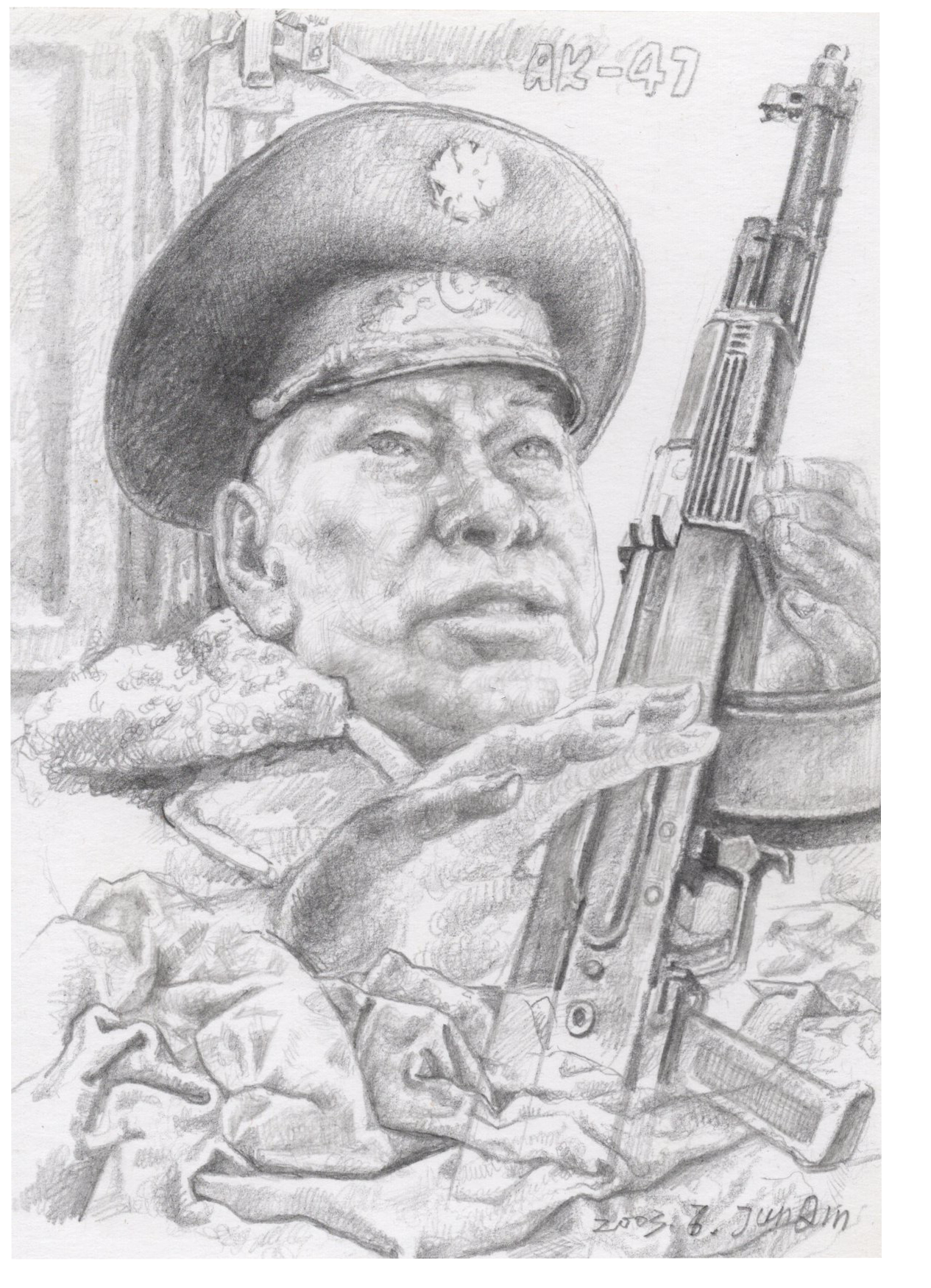
Xing Junqin, AK-47 (2003)
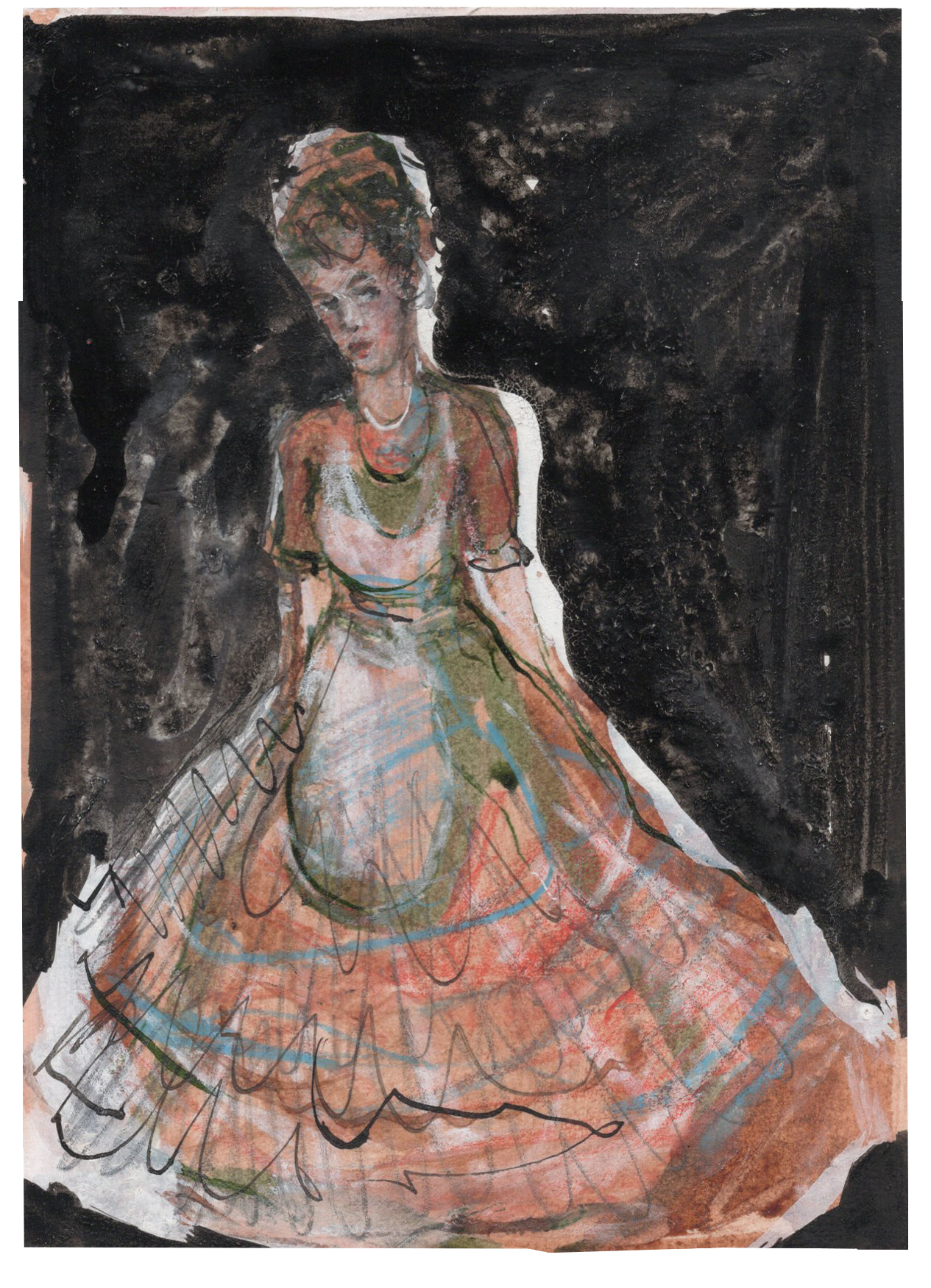
Chelsea Lehmann, Grace becomes her (2003)
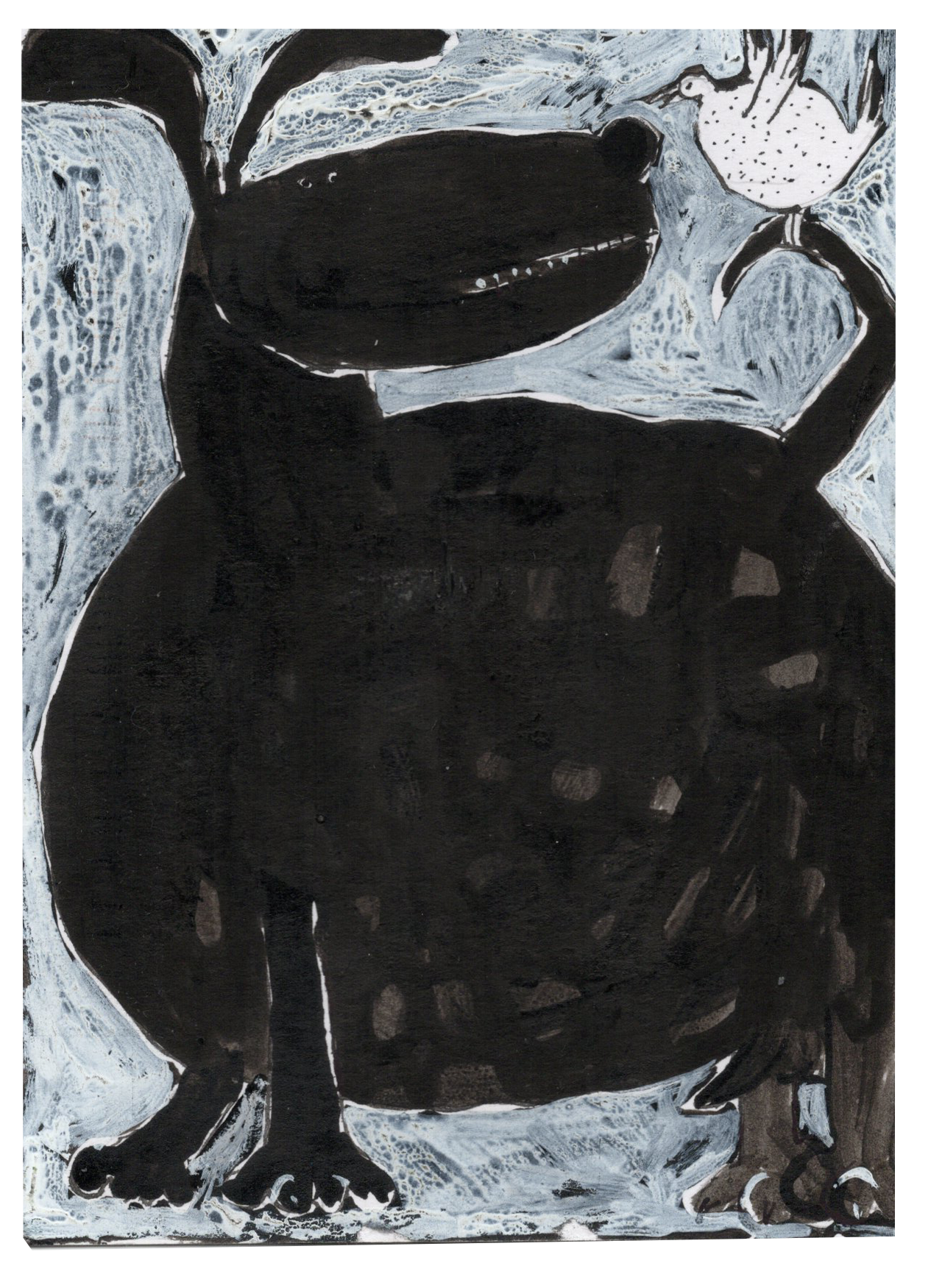
Frank Ozereko, Dog + Bird (2004)
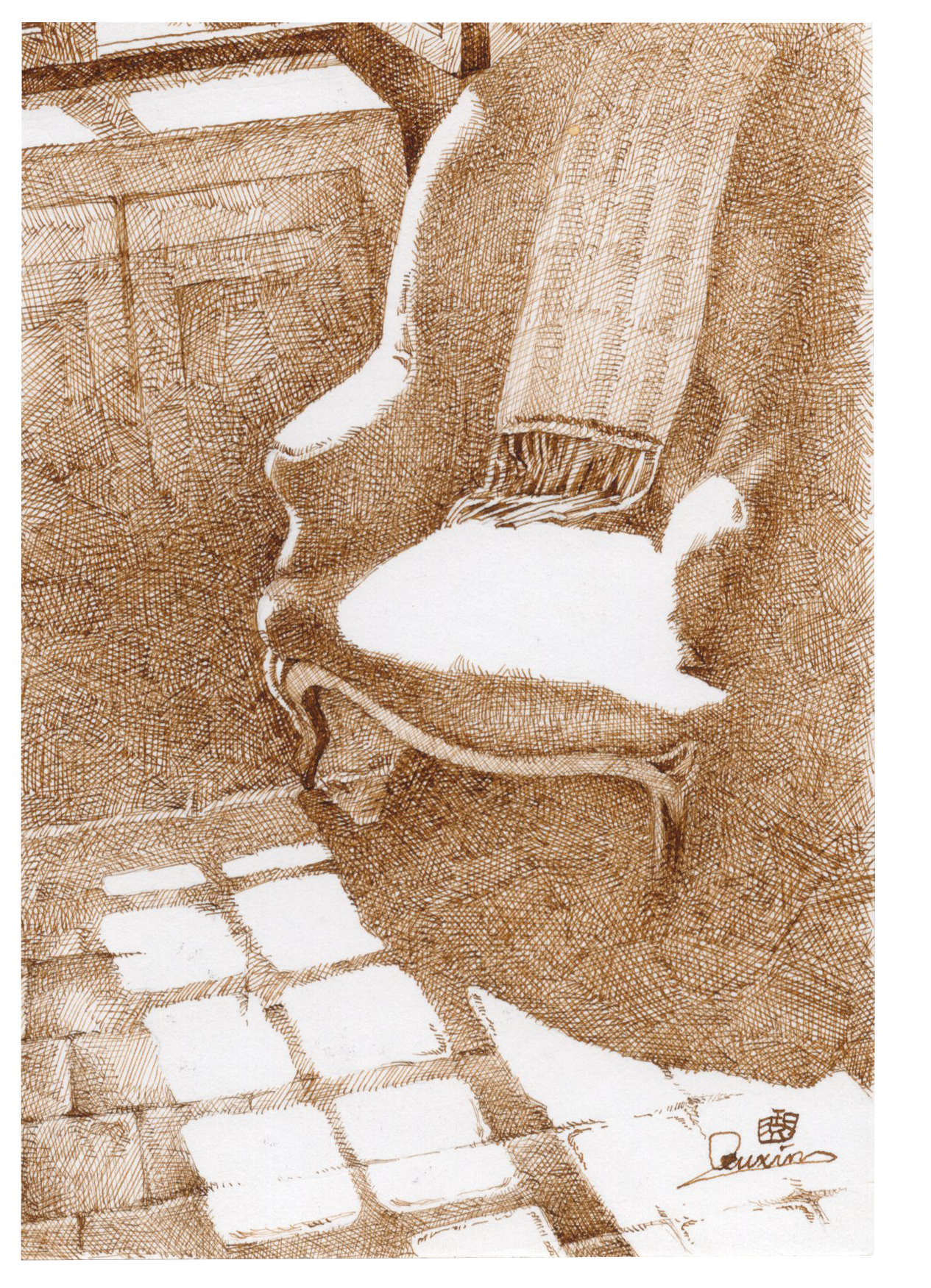
Qu Xin, Light and dark
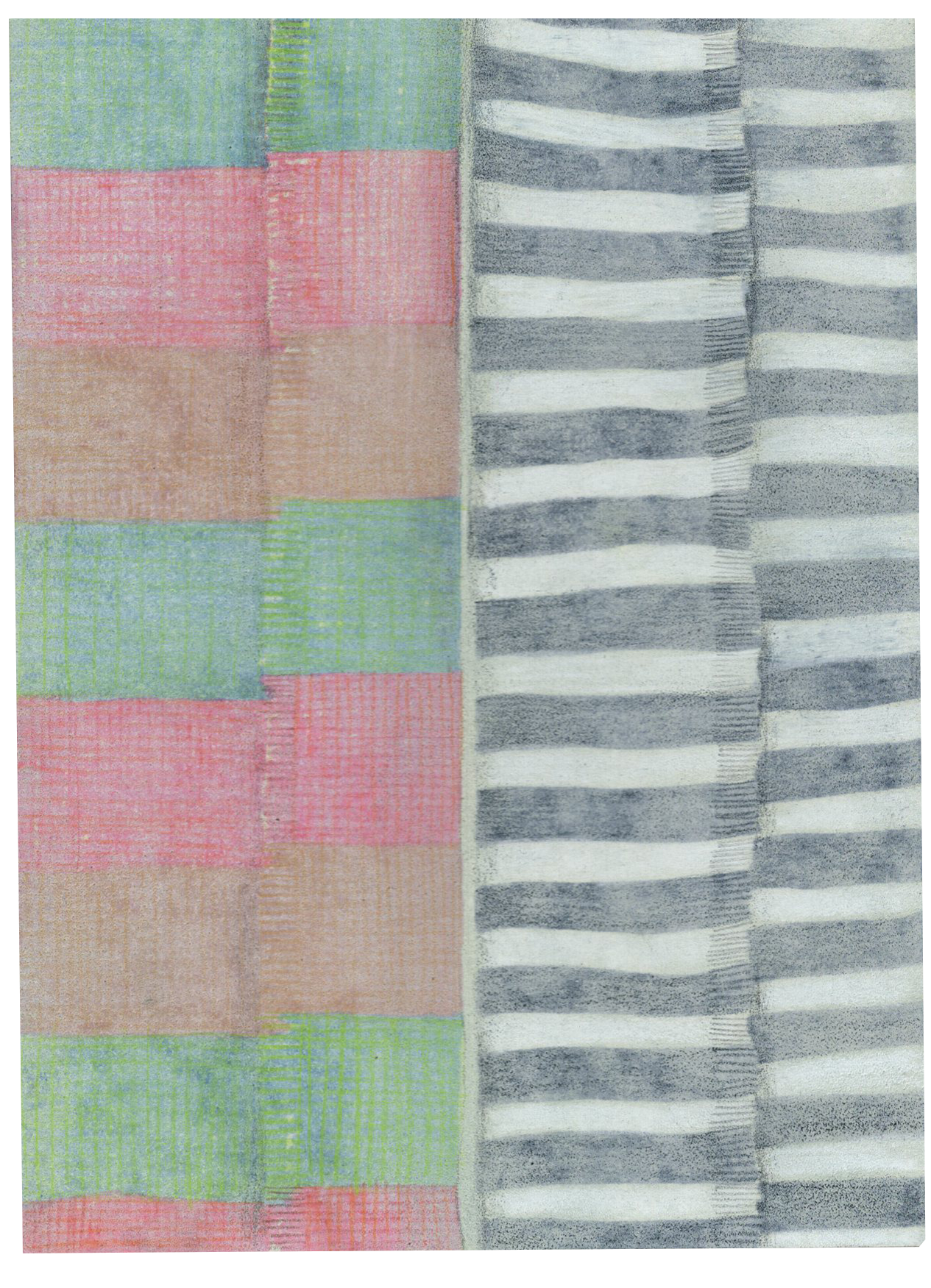
Emma Robertson, folds
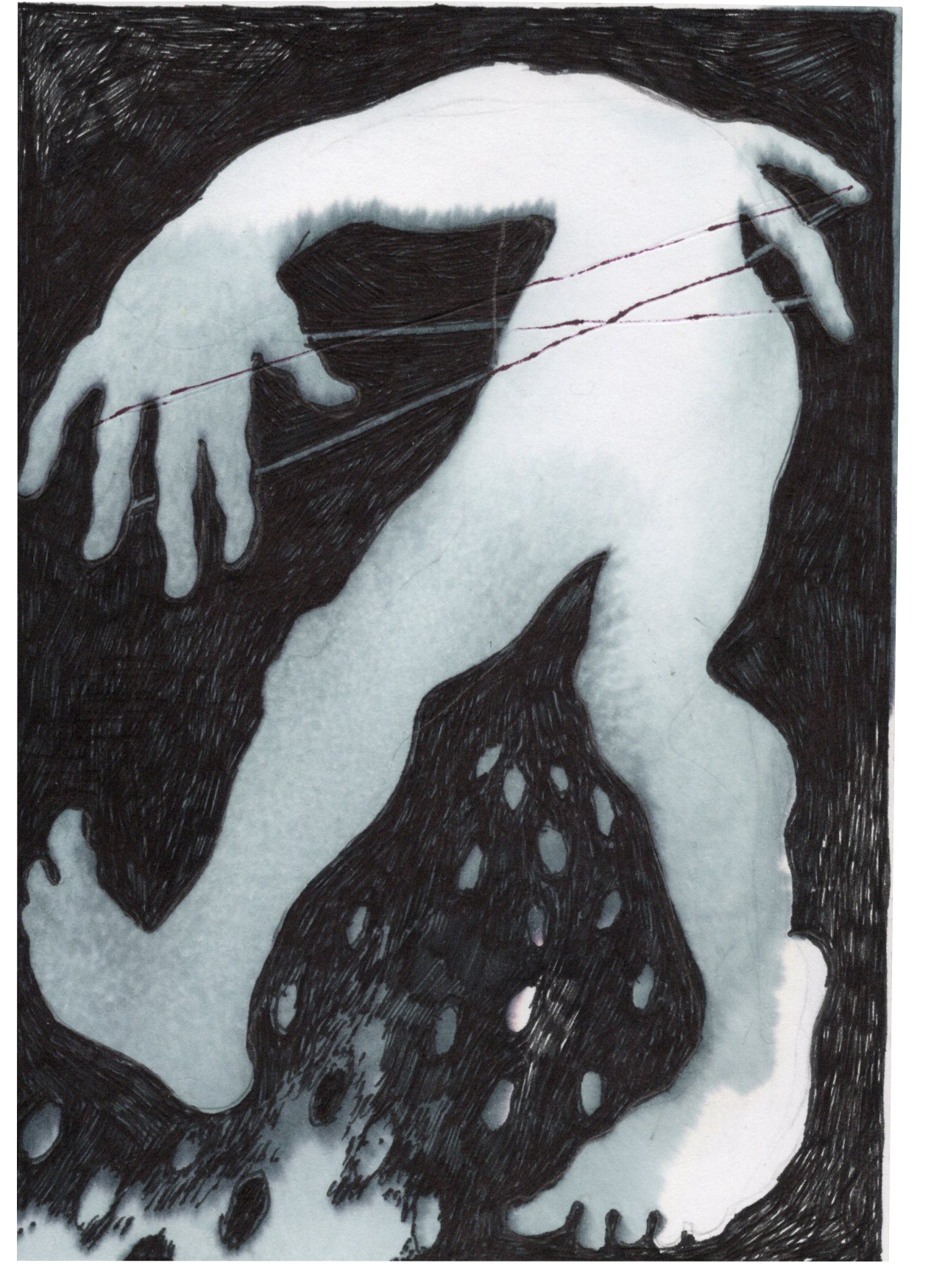
Michael Esson, Untitled
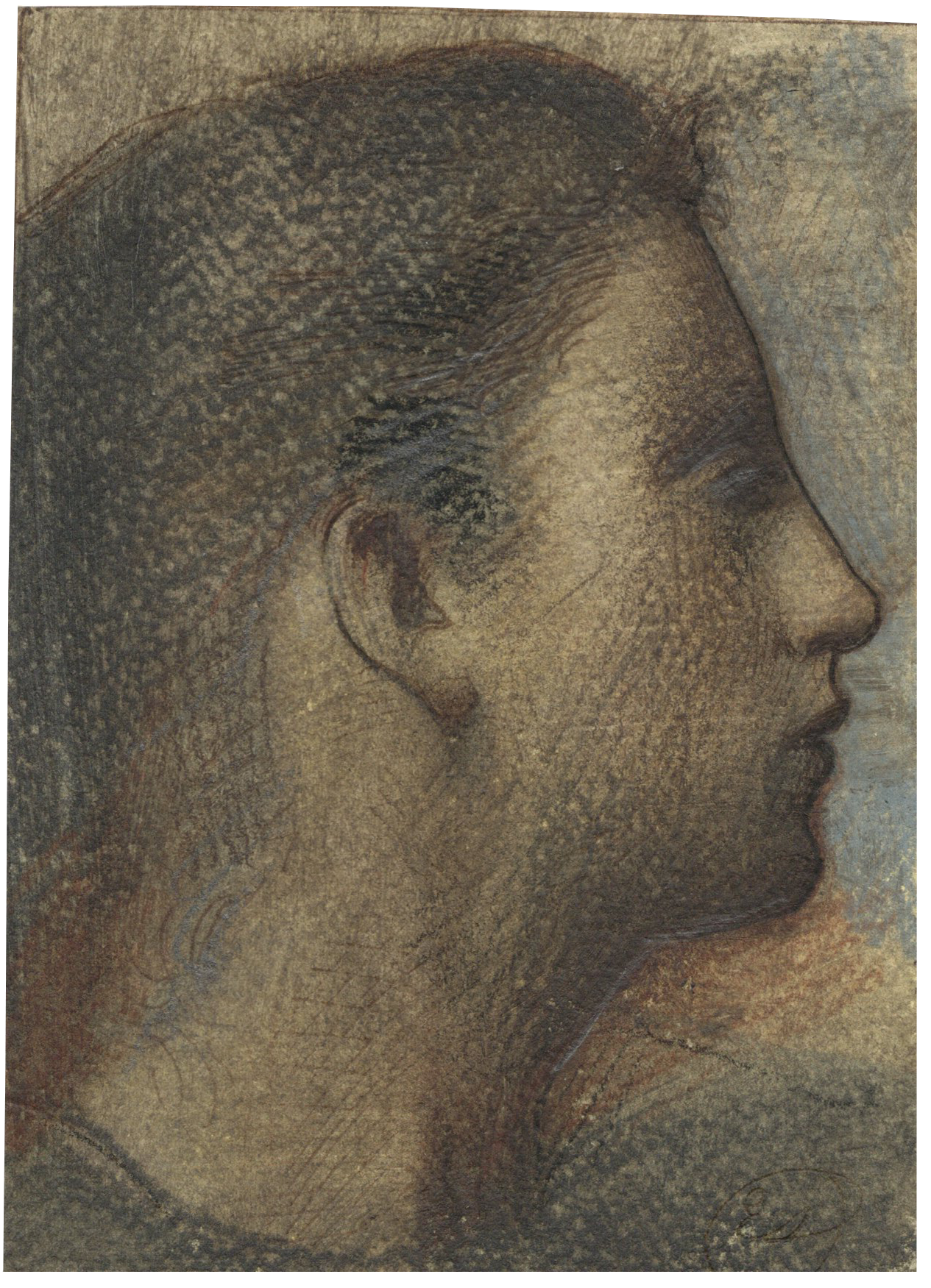
Edward Schmidt, Classical Portrait III
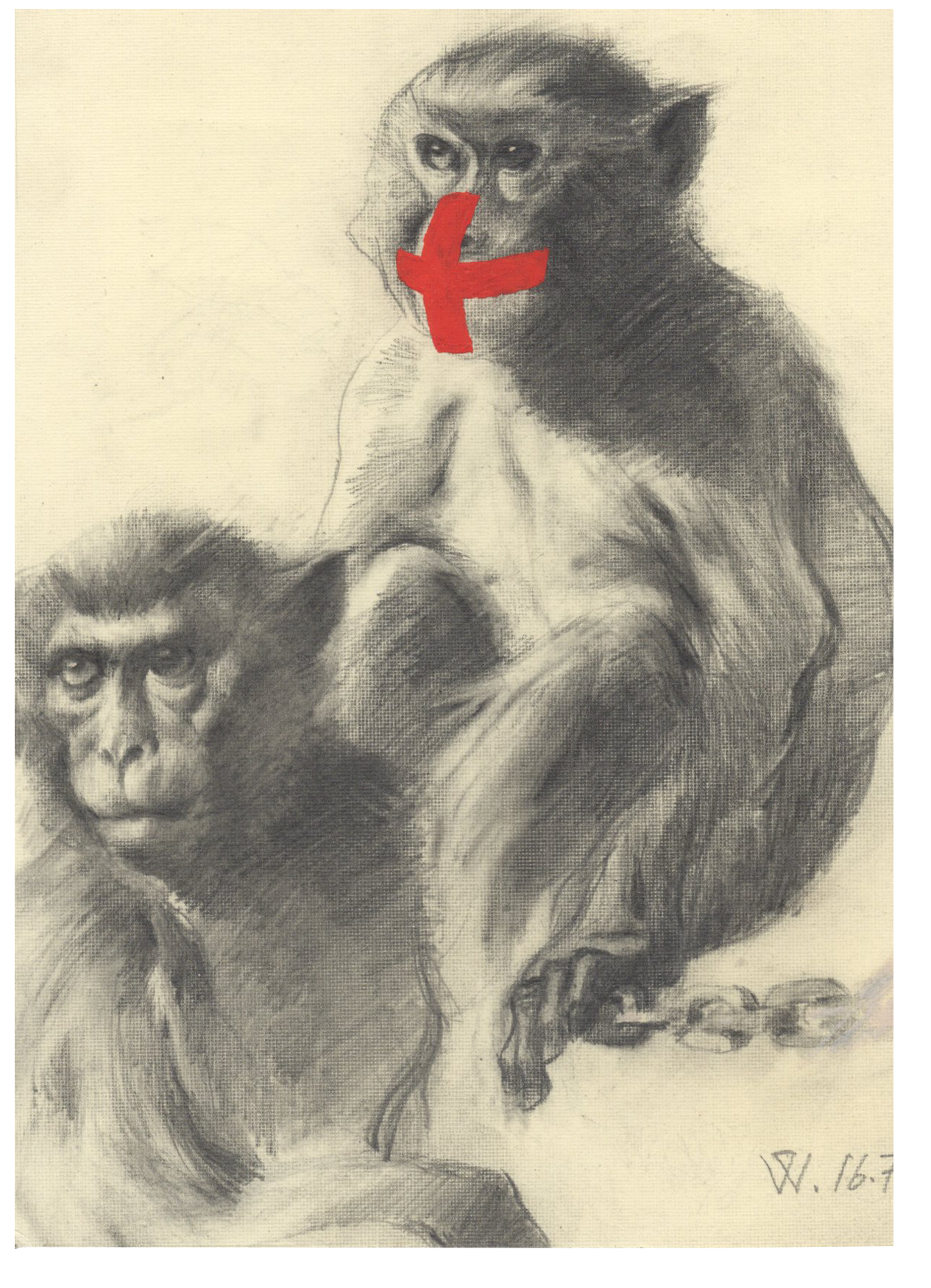
Wang Xaiofei
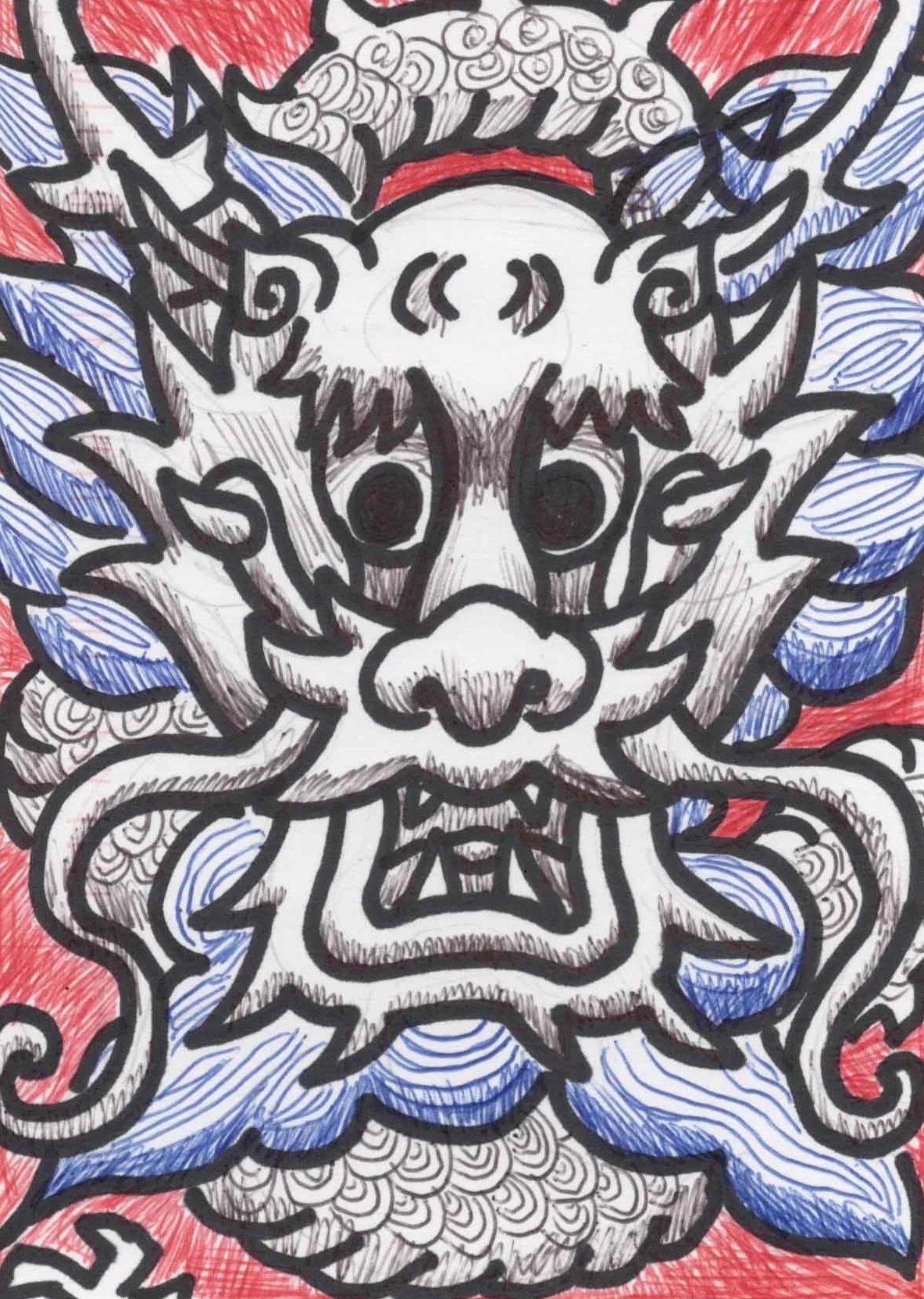
Fan Dongwang, Dragon Head
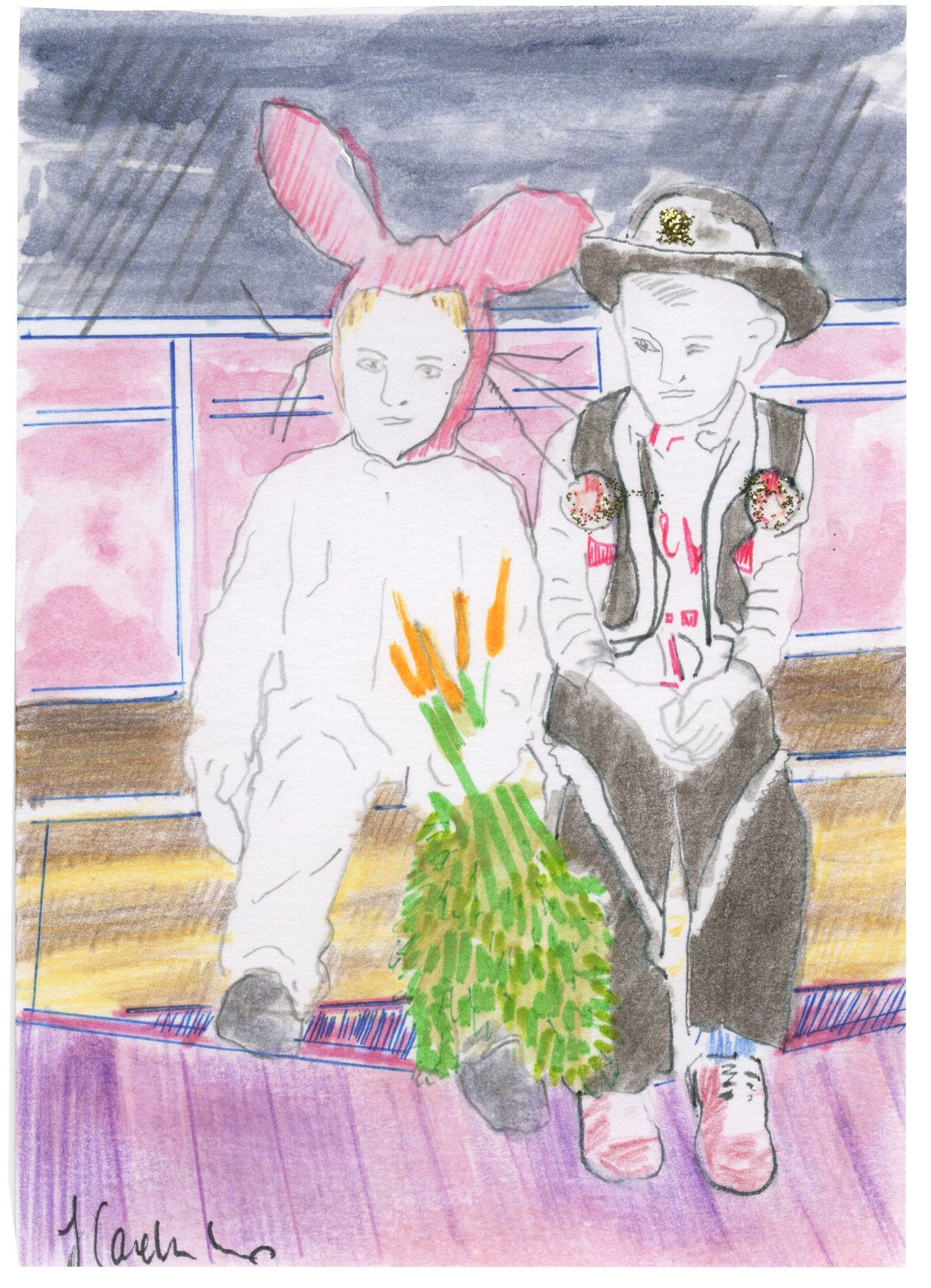
Jessie Cacchillo, Bill + Jake
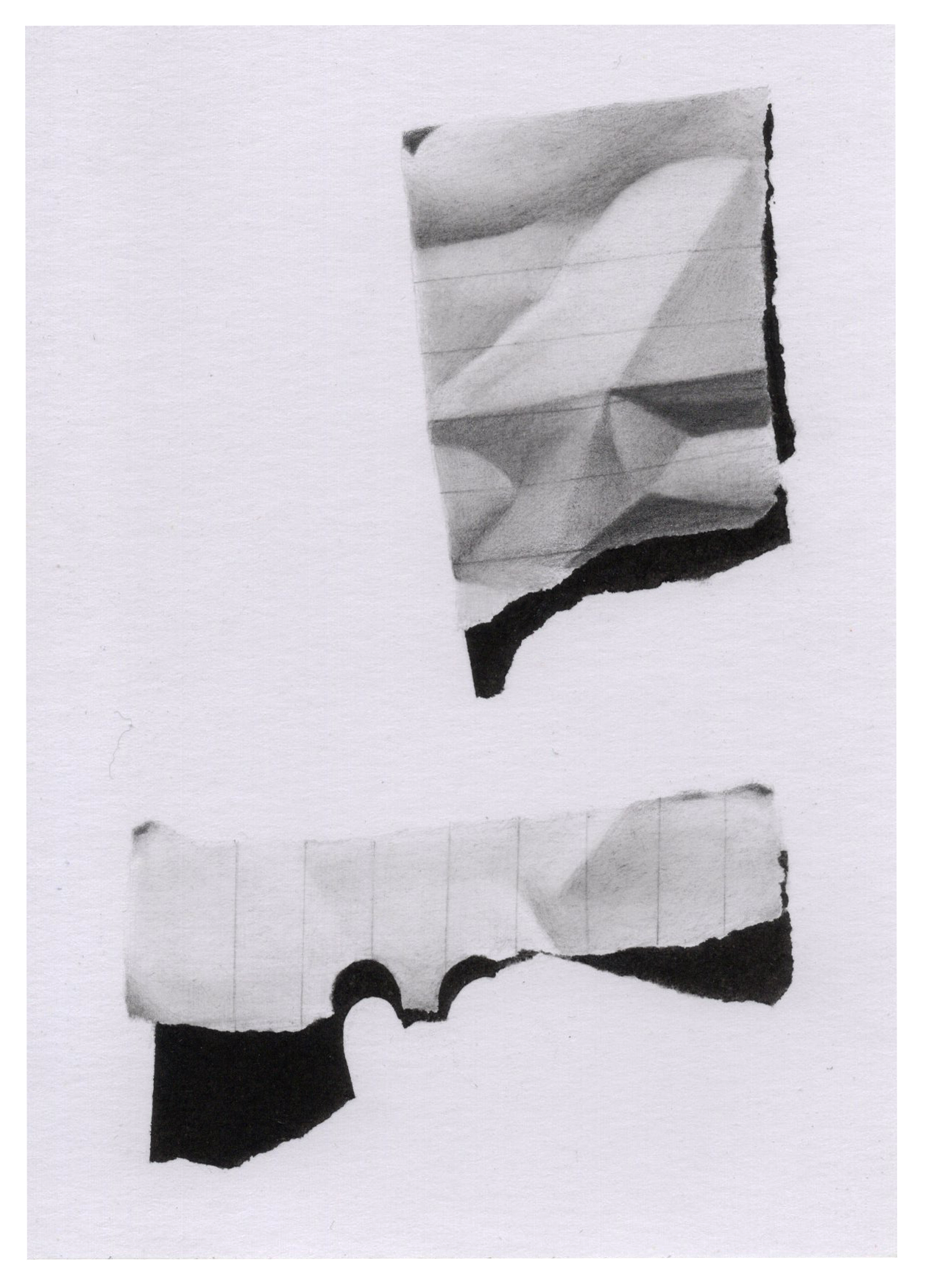
David Eastwood, Scrap
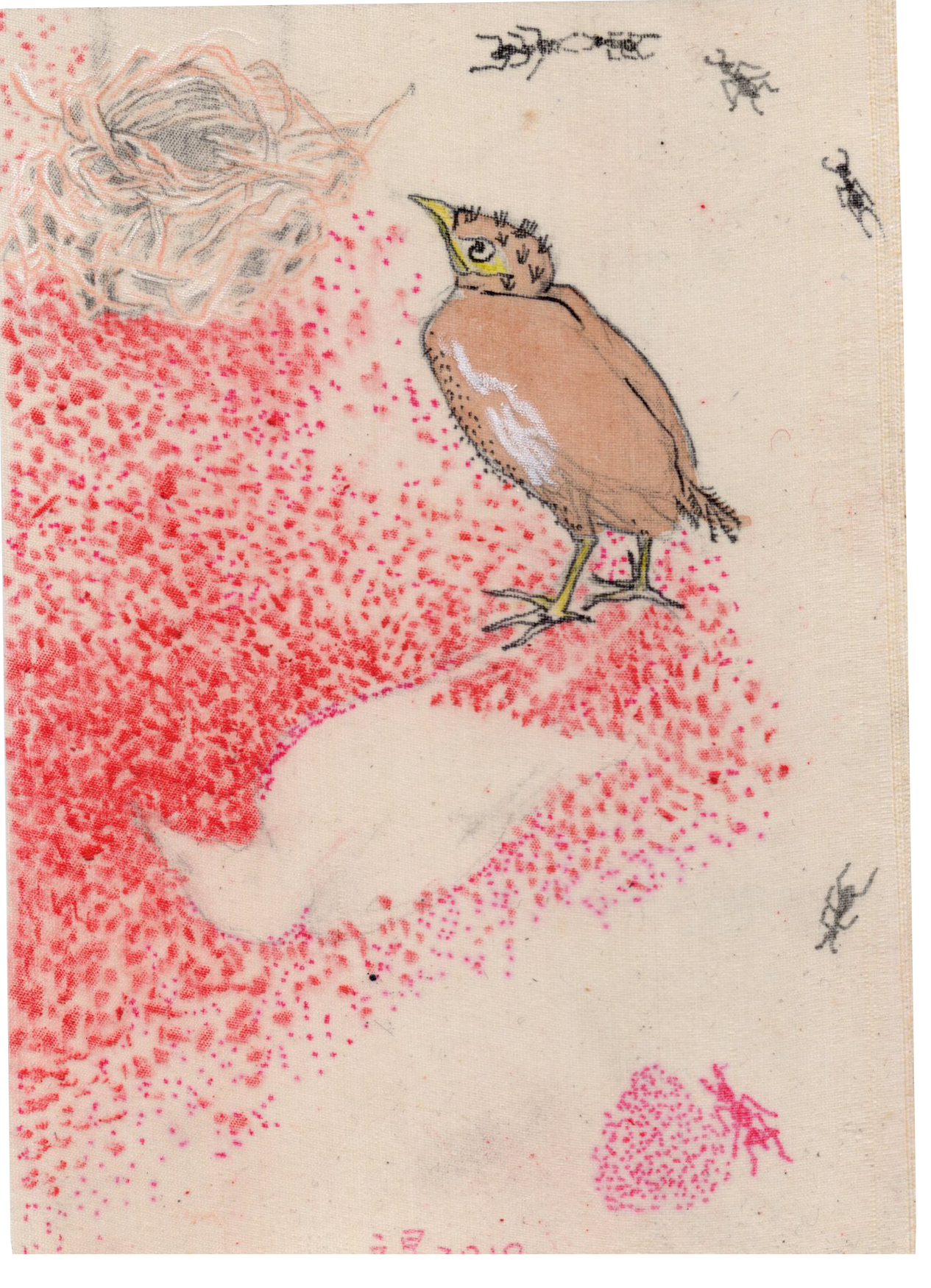
Li Wenmin, Ants and Bird Nest (2010)
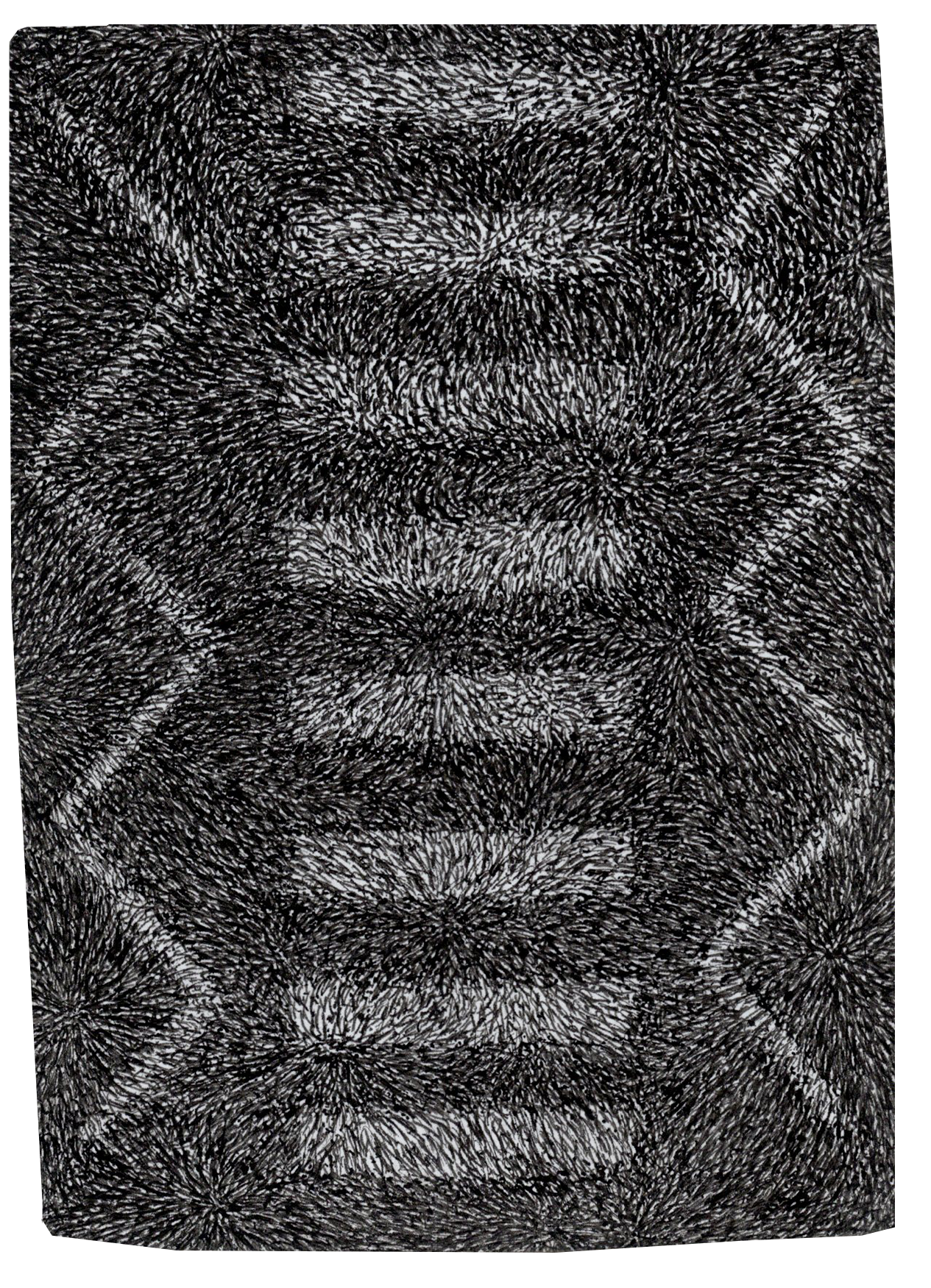
Charles Cooper, Plateau VI